The 5 KBIS 2026 Trends Redefining Luxury Aviation Homes
Forget what you think you know about luxury design.
After walking the floor at KBIS 2026, one truth became clear: luxury is no longer about flashy features. It’s about strategic, performance-driven living.
The industry has shifted.
Homes are becoming smarter. More personal. More intentional. And for our clients in the aviation community, this evolution aligns perfectly with how you already think precise, performance-focused, forward-looking.
Here are the five design shifts redefining luxury aviation homes in 2026.
1. Wellness Is Now Built Into the Architecture
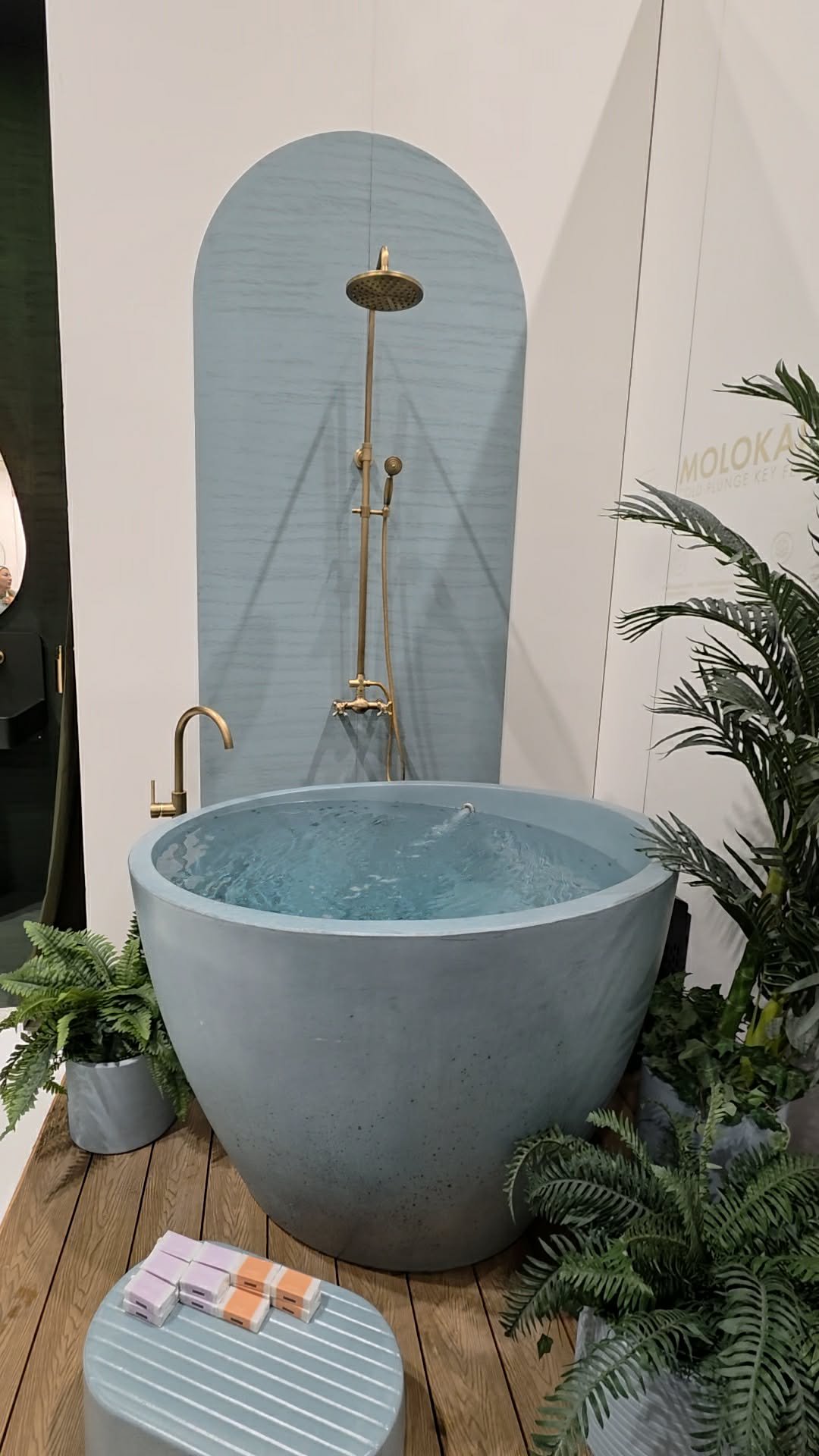
Wellness is no longer an upgrade.
It’s foundational.
Cold plunge tubs appeared as sculptural centerpieces. Steam showers were fully integrated into primary suites. Recovery spaces were planned, not added.
Recovery-focused design has officially entered the blueprint stage.
For aviation homeowners, this makes sense. Performance demands recovery. Mental clarity demands rhythm. Homes are now being designed around those principles from day one.
We’re seeing:
Dedicated sauna rooms within primary suites
Concrete cold plunges as architectural statements
Advanced shower systems with temperature and lighting programming
Circadian lighting integration
Luxury homeowners aren’t asking, “Can we add this later?”
They’re asking, “How do we design around it from the beginning?”
For hangar residences, this means allocating space early — especially if the home includes large-scale volumes or performance-driven lifestyle elements.
2. Color Is Back and It’s Confident
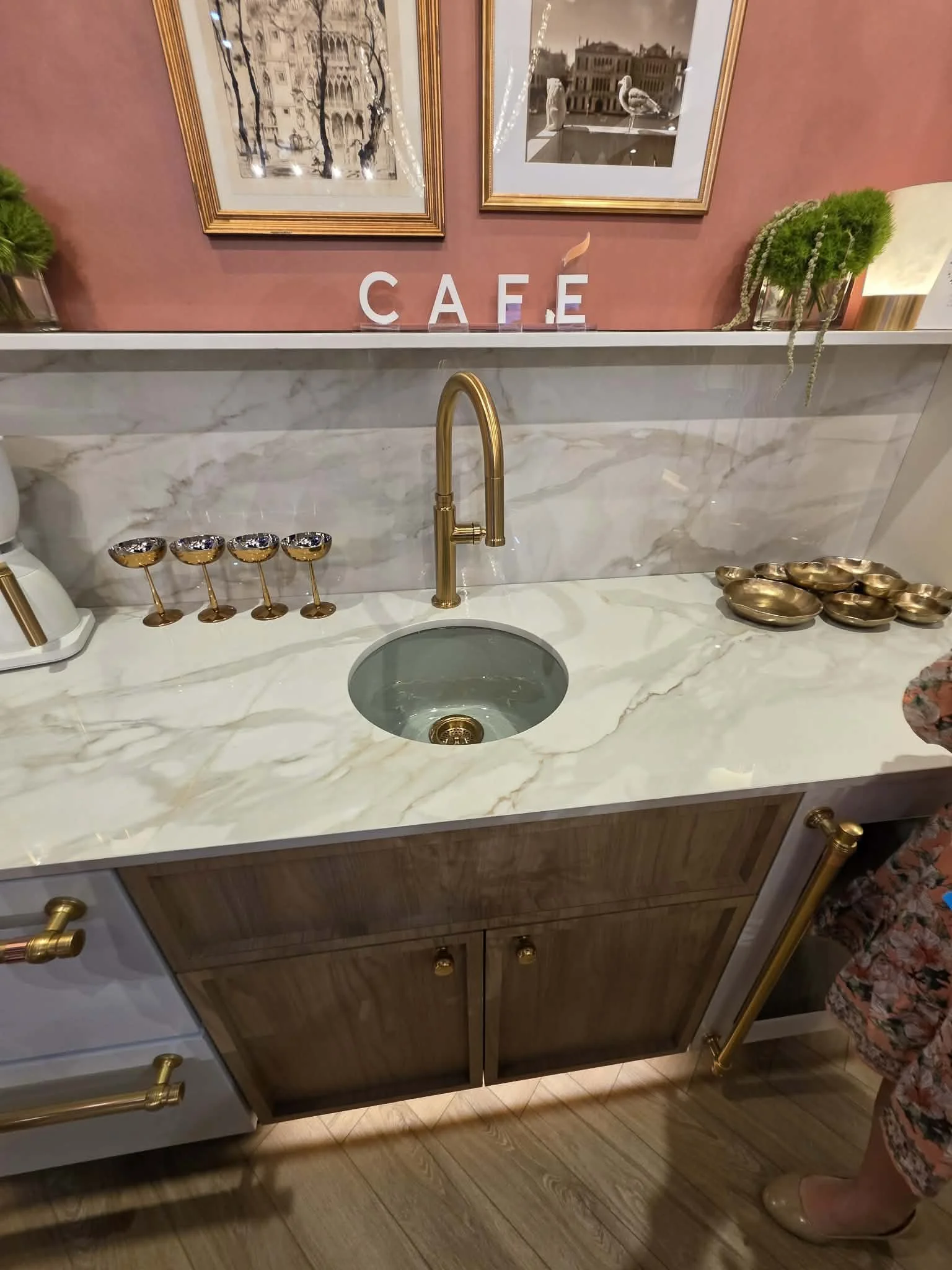
White kitchens still exist.
But they are no longer the only definition of luxury.
KBIS 2026 confirmed it: color has re-entered high-end design intelligently and intentionally.
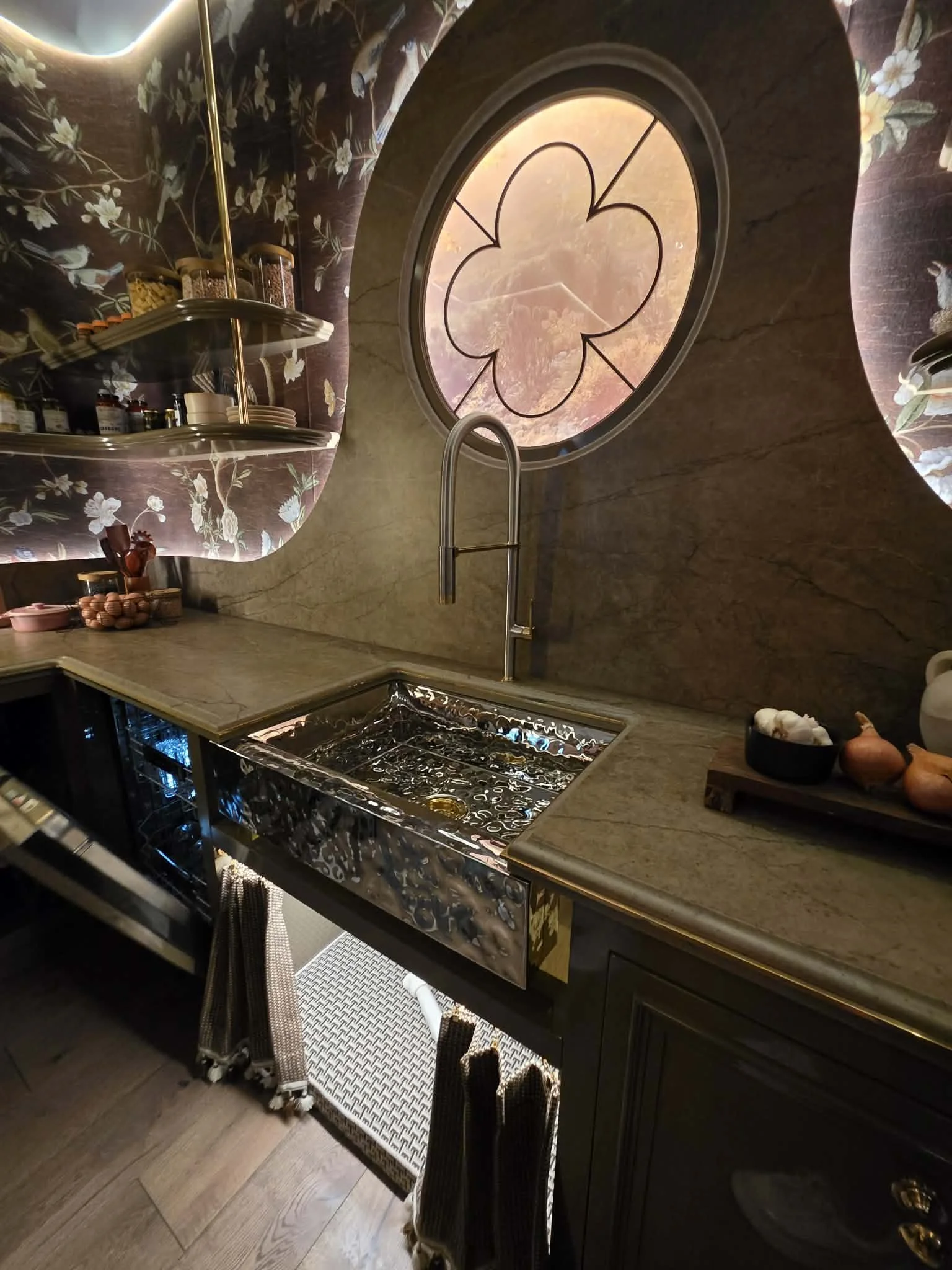
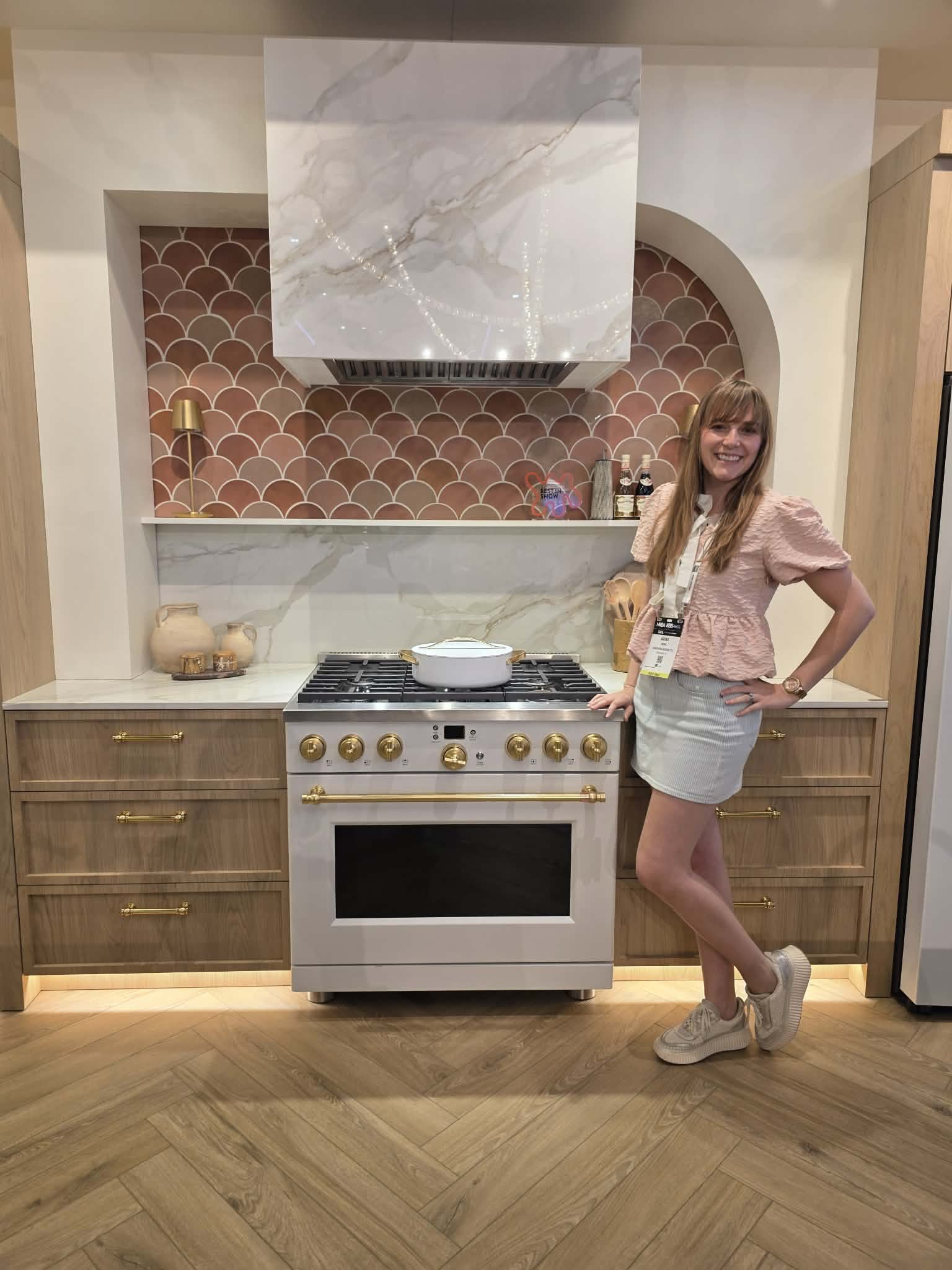
Pink tones appeared across multiple premium appliance brands. Not pastel. Not playful. But earthy clay, dusty rose, and mineral-based hues.
Florals resurfaced in tile and wallpaper. Saturated cabinetry expanded beyond navy into berry, terracotta, and deep organic tones.
Why does this matter for aviation homes?
Large-scale spaces — especially hangar homes — benefit from saturation. Color softens steel. It grounds concrete. It adds warmth to expansive layouts.
Luxury in 2026 is confident enough to embrace personality.
3. Texture Is Replacing Flat Minimalism
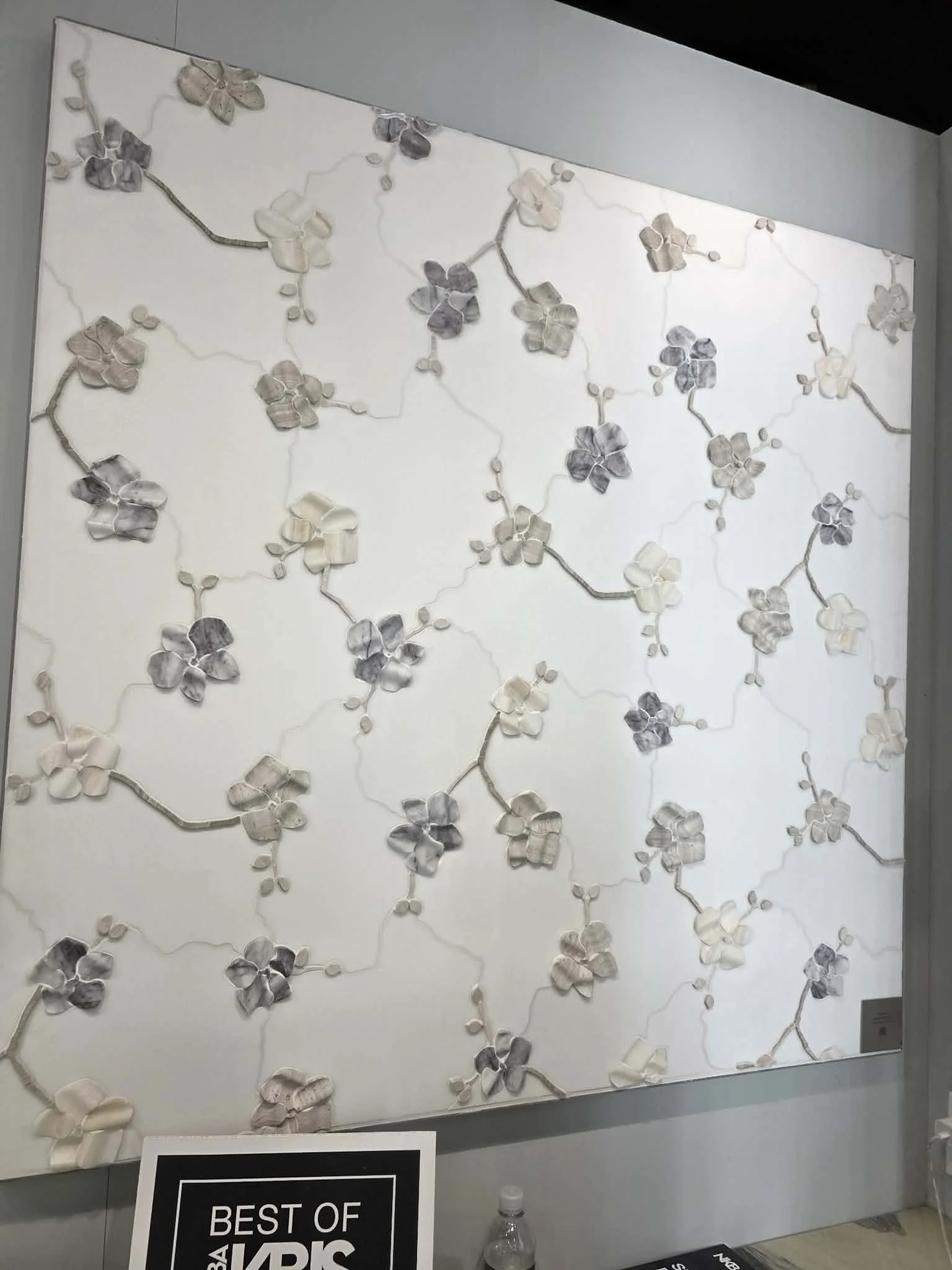
The era of smooth, flat minimalism is evolving.
At KBIS, texture dominated.
Three-dimensional tile. Raised stone patterns. Acoustic panels that double as architectural features. Layered surfaces engineered for depth and sound control.
This isn’t maximalism for drama’s sake.
It’s intentional dimensionality.
For aviation residences — particularly those with high ceilings, open hangar-adjacent lounges, or expansive living areas — texture becomes critical. It manages sound. It shapes light. It prevents scale from feeling overwhelming.
Acoustic solutions are becoming beautiful.
That changes how we design large-volume homes.
4. Technology Is Getting Smarter — and More Invisible
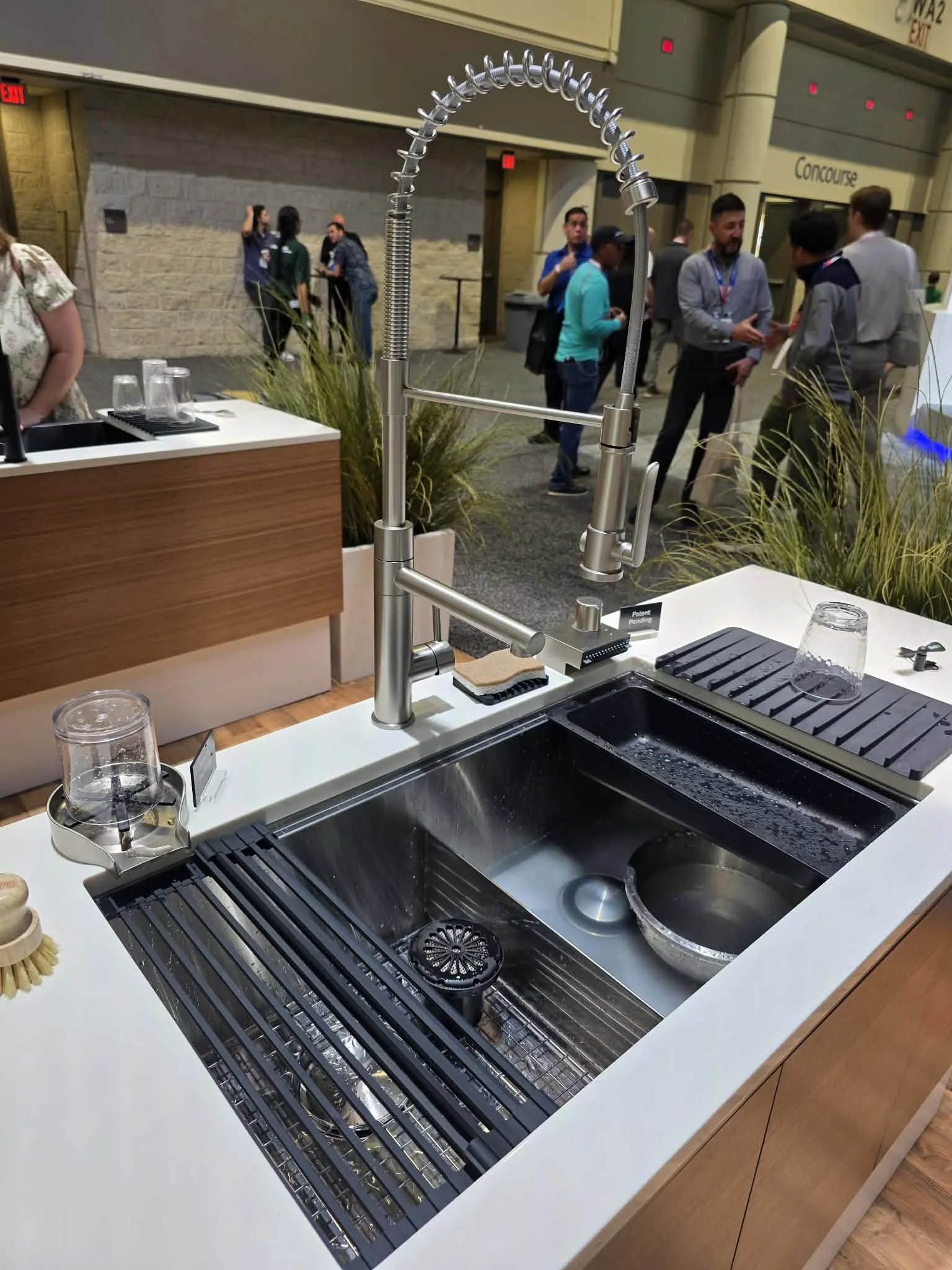
The most impressive innovation at KBIS wasn’t flashy.
It was integrated.
Workstation sinks now function as full prep systems. Shower controls embed seamlessly into stone. Refrigeration disappears behind architectural panels. Lighting and climate respond through centralized smart systems.
Luxury homeowners no longer want visible tech. They want intelligent environments.
For aviation homeowners, this translates into:
Remote hangar monitoring
Zoned climate control across large footprints
Integrated security systems
Lighting that adapts from entertaining to recovery mode
The future isn’t about adding more devices.
It’s about designing homes that operate intuitively.
5. Hospitality Is Influencing Residential Design
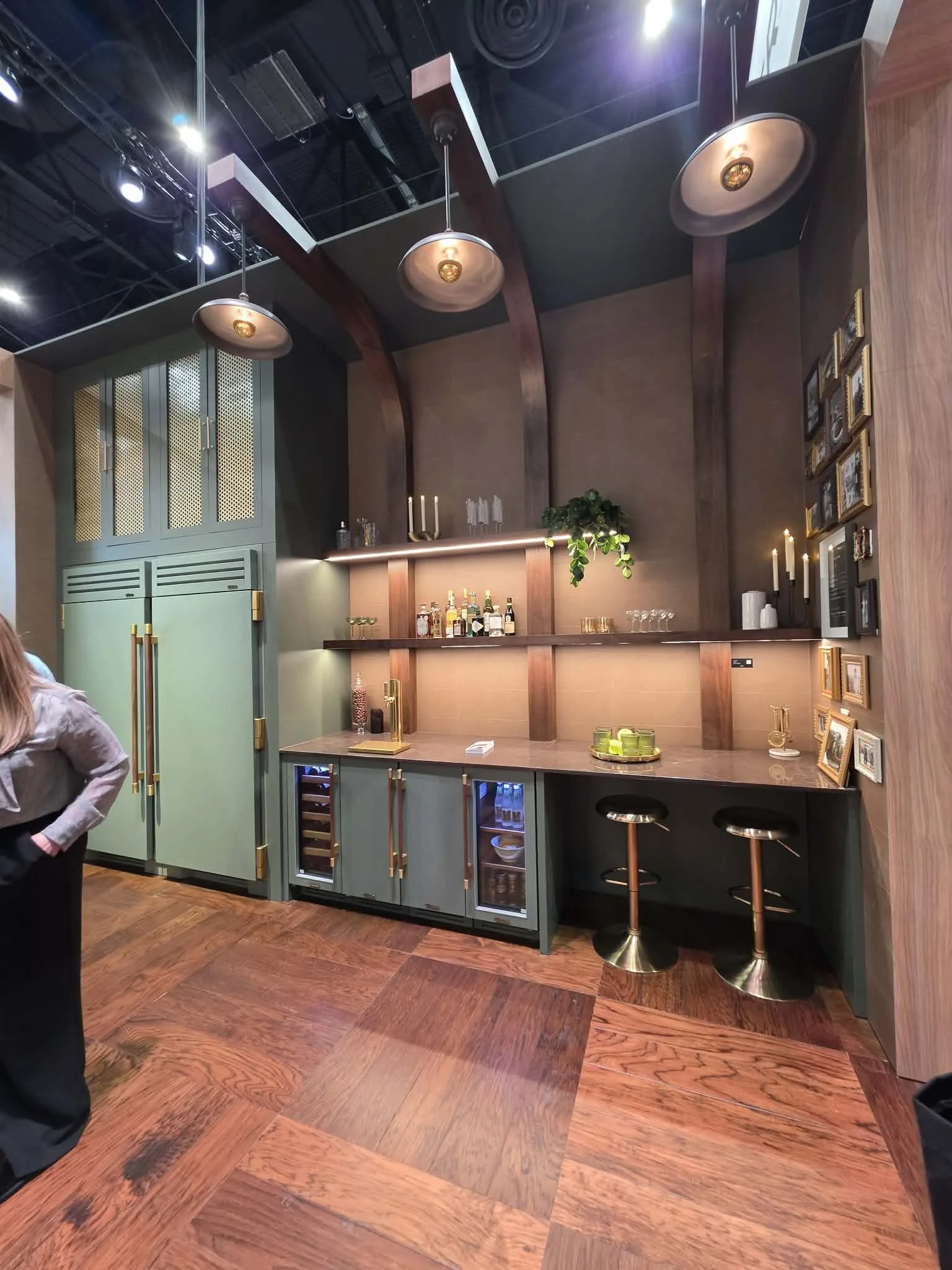
One of the strongest shifts at KBIS 2026 was the crossover from hospitality.
Moody bar lounges. Beverage stations integrated into kitchens. Dual prep zones. Restaurant-level workflow within private homes.
Entertaining is no longer occasional.
It’s embedded in the lifestyle.
For aviation communities — where open hangar doors invite gathering and conversation — this design shift feels natural.
The kitchen becomes command center.
The living room becomes experience-driven.
The home becomes a place of connection.
What This Means for Luxury Aviation Homes
Luxury in 2026 is no longer about size alone.
It’s about:
Performance
Recovery
Personal expression
Intelligent integration
Aviation homeowners are uniquely positioned to lead this shift because the aviation mindset already values precision, clarity, and intentional planning.
The homes that will feel timeless in 2035 are not trend-driven.
They are strategy-driven.
And strategy begins long before finishes are selected.
Planning for What’s Next
If you’re building or renovating a hangar home or aviation residence in the next 12–24 months, these shifts are not surface-level inspiration.
They are directional signals.
Wellness requires square footage.
Color requires confidence.
Technology requires early integration.
Texture requires architectural planning.
Hospitality requires layout strategy.
Order matters.
Early decisions determine whether your home feels cohesive — or reactive.
Ready to Design Your Strategic Home?
The most successful aviation homes aren’t built around trends.
They’re built around the way you live.
If you’re ready to design a home that reflects performance, clarity, and long-term vision:
→ Schedule your discovery call today
Let’s build intentionally.